By Sandy Thompson, LEAD Centre for NGO Governance and Leadership Director
For many not-for-profit social service providers in Aotearoa, climate change action can feel like an issue best left to councils or environment groups. Yet climate change is not only about rising seas or carbon emissions — it is a profound social justice issue that directly shapes the wellbeing of our communities. For organisations already working at the frontline of housing, health, family support, or youth services, climate disruption intensifies the challenges you face.
Climate Justice is Social Justice
At its heart, climate justice is about fairness, equity, and dignity. The people most affected by extreme weather, heatwaves, droughts, or environmental disasters are often those already experiencing disadvantage—whānau in poor housing, kaumātua and kuia with health vulnerabilities, or low-income families with limited resources to adapt. The very people we already serve. This reality means climate change is not an “extra” issue. It is the same work you are already doing protecting rights, supporting inclusion, and advocating for systemic change.
Framing climate action as climate justice helps shift the focus away from abstract targets and towards human impacts. It recognises that resilience is not only about infrastructure but about relationships, equity, and collective responsibility. This is why addressing climate change belongs squarely within the mission of social service organisations.
Why It Matters for Social Service Providers
Our organisations are already community anchors—trusted first responders in crises, long-term supporters of whānau, and advocates for fairness. Climate change adds another layer of complexity to that role. Consider a few likely scenarios:
• severe drought and water restrictions impact food security, household costs, and hygiene for vulnerable families,
• heatwaves disproportionately affect children, older people, and those with chronic illness, creating demand for health and wellbeing services,
• migration and climate refugees bring sudden shifts in community demographics, requiring inclusive support and integration services,
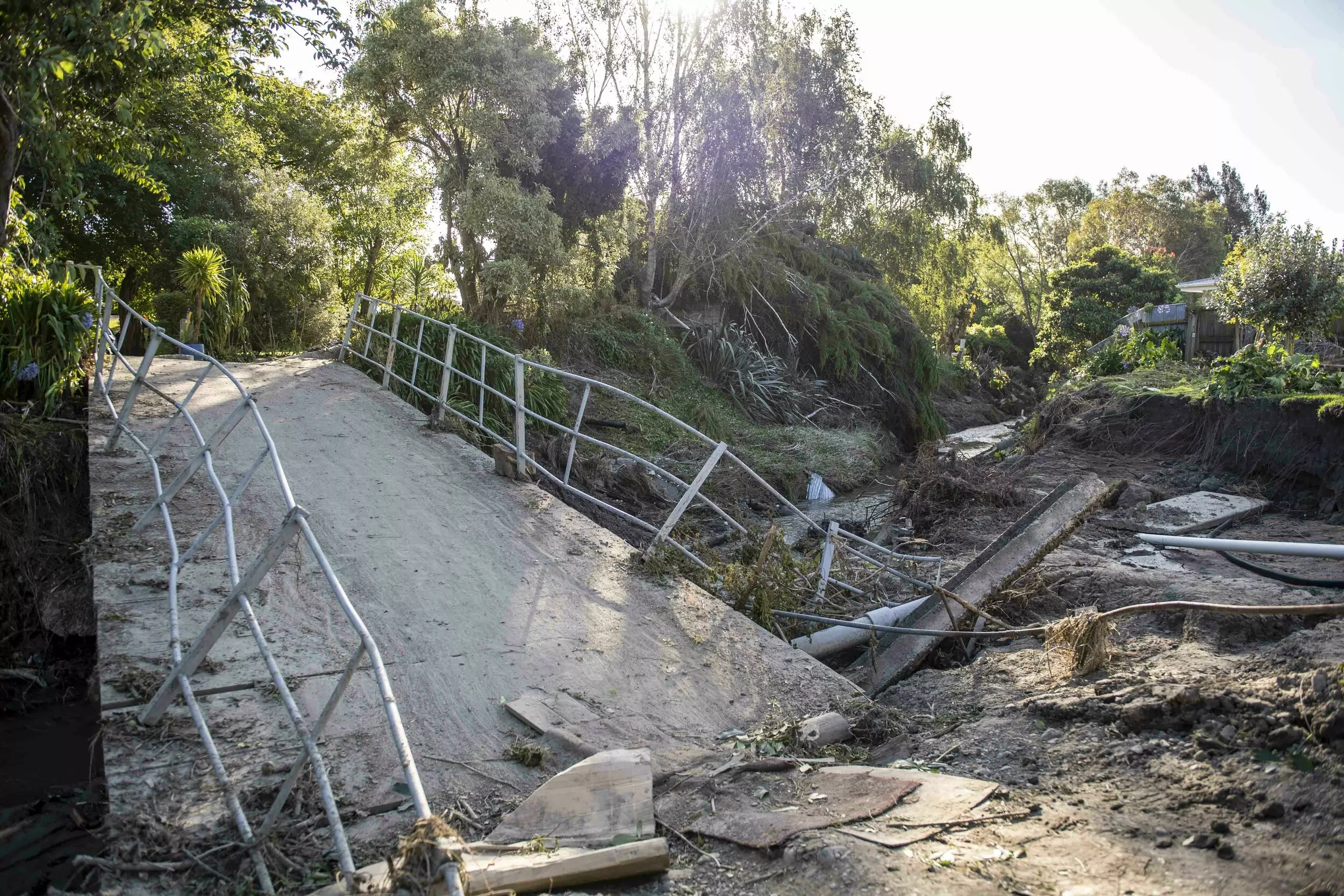
• extreme weather events disrupt housing, employment, and local economies—leaving social service organisations to fill the gaps in recovery.
Each of these scenarios underscores the same point: social service providers are not bystanders. We are frontline leaders in how communities prepare for, withstand, and recover from climate-driven disruptions.
Taking the First Steps
Becoming climate-ready does not mean doing everything at once. It begins with integrating climate awareness into your existing leadership and practice. Some practical starting points include:
- Measuring your footprint: Understand the scale of your own impact. Small community groups may emit just a couple of tonnes of carbon annually, while larger national providers may be responsible for hundreds. Knowing your baseline enables you to set realistic goals.
- Creating a climate action plan: Identify one tangible action you can take this year to reduce emissions or build resilience, such as improving energy efficiency, shifting travel policies, or embedding climate equity in programmes.
- Empowering your people: Establish a “green team” of staff and volunteers to lead initiatives, generate ideas, and build a culture of responsibility.
- Building resilience: Ask can our organisation recover and adapt if services are disrupted? What would continuity look like if an extreme weather event struck tomorrow?
- Living your values: Demonstrate leadership by aligning your operations and advocacy with the fairness and justice we promote in our communities.
Looking Ahead
Caring about climate change is integral to serving communities well. By recognising that climate justice and social justice are inseparable, organisations can act with both urgency and integrity. This is about deepening our mission: ensuring that the people and communities you support today are also safe, included, and thriving in the climate-shaped future ahead.